
What We Do
Through Regional Conservation Alliances and the Discover → Connect → Protect framework, ConnectOcean transforms community awareness into long-term ecosystem protection — one community at a time.
Community-Led Conservation
Empowering People to Act
Citizen science feeds directly into community-led conservation — where local people take charge of protecting the ecosystems they depend on.
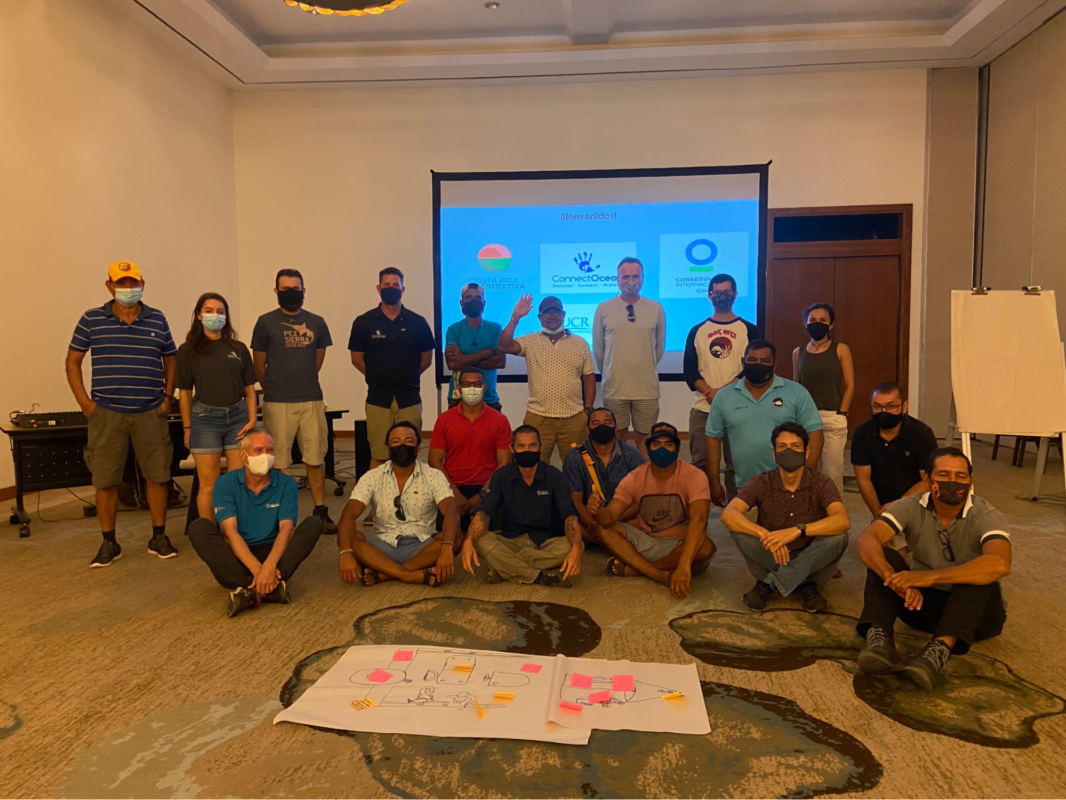
At ConnectOcean, we build Regional Conservation Alliances that unite:
- Local communities
- Conservation and research groups
- Dive centers
- Schools
- Fishers
- Tour operators
- Government Stakeholders
Instead of working in isolation, these groups pool resources and knowledge. Together, they set conservation goals for the next 5–10 years, targeting ecosystems such as rivers, mangroves, reefs, open ocean habitats, and keystone species like sharks and rays.
Our Framework
Discover → Connect → Protect
The ConnectOcean Community Protected Area (CPA) Model is a step-by-step process that transforms community awareness into long-term ecosystem protection. It is designed to be practical, replicable, and scalable — making it possible to crowdsource conservation one community at a time.
01
Discover
Understanding the Value of Local Ecosystems
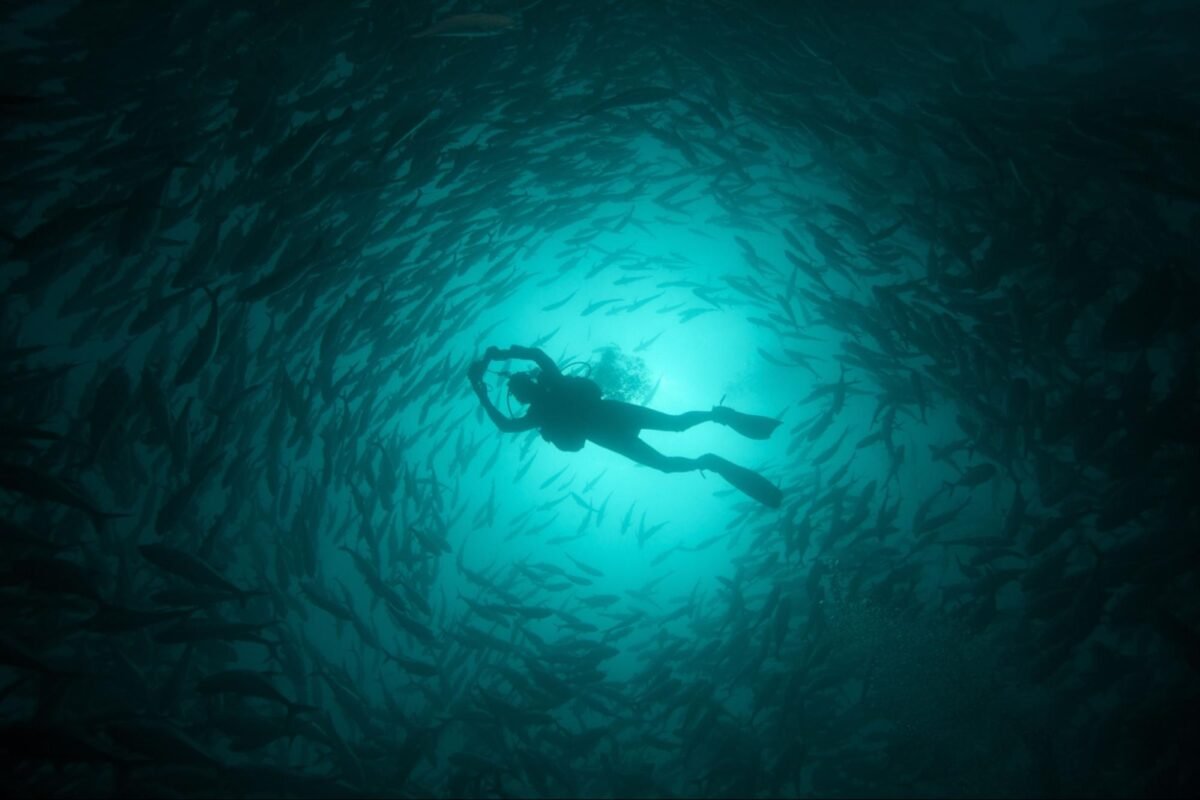
Communities begin their journey by learning to see their ecosystems in new ways. With guidance from conservation mentors, researchers, and local activists, they:
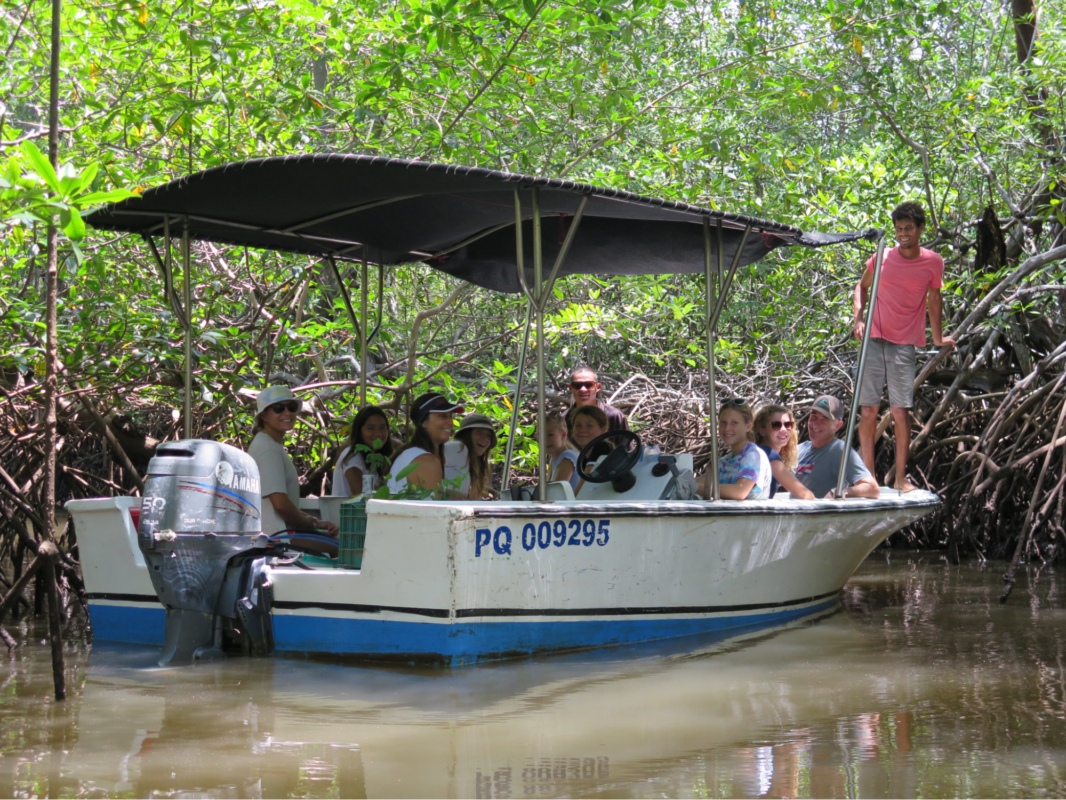
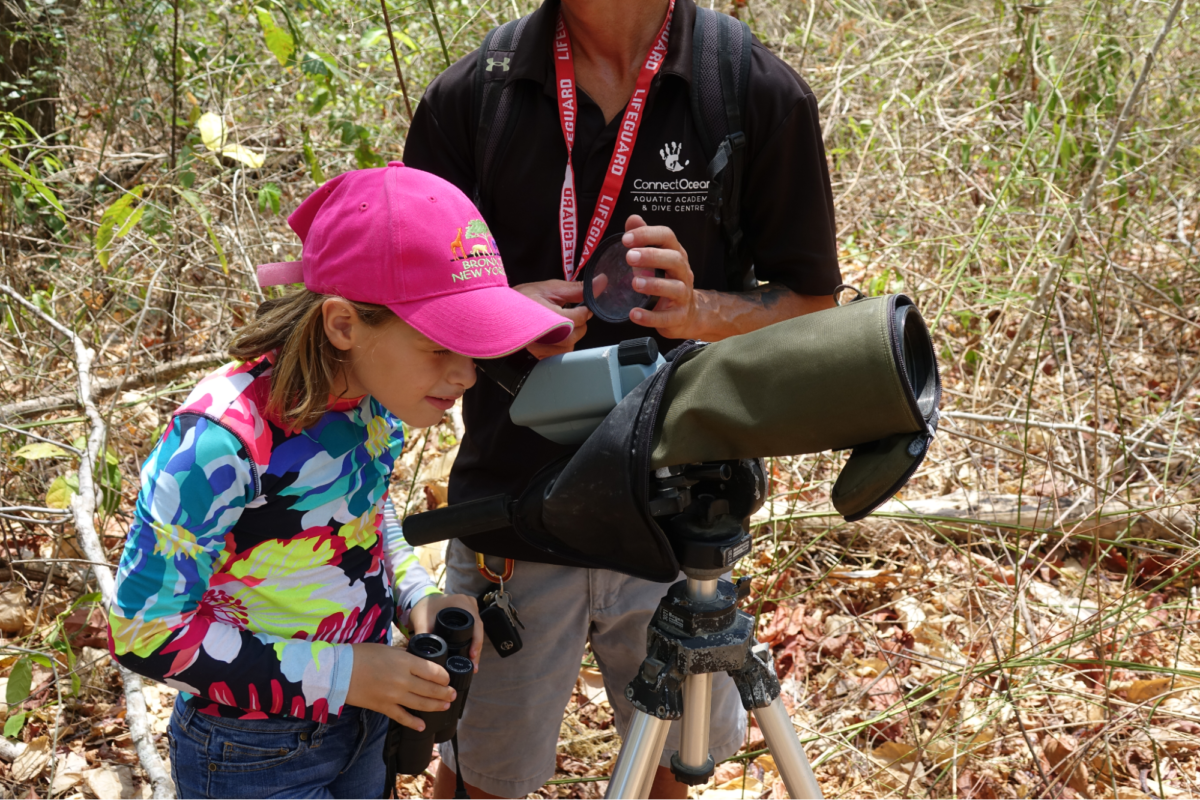
- Identify sensitive and at-risk ecosystems such as rivers, mangroves, intertidal zones, reefs, and open ocean sites.
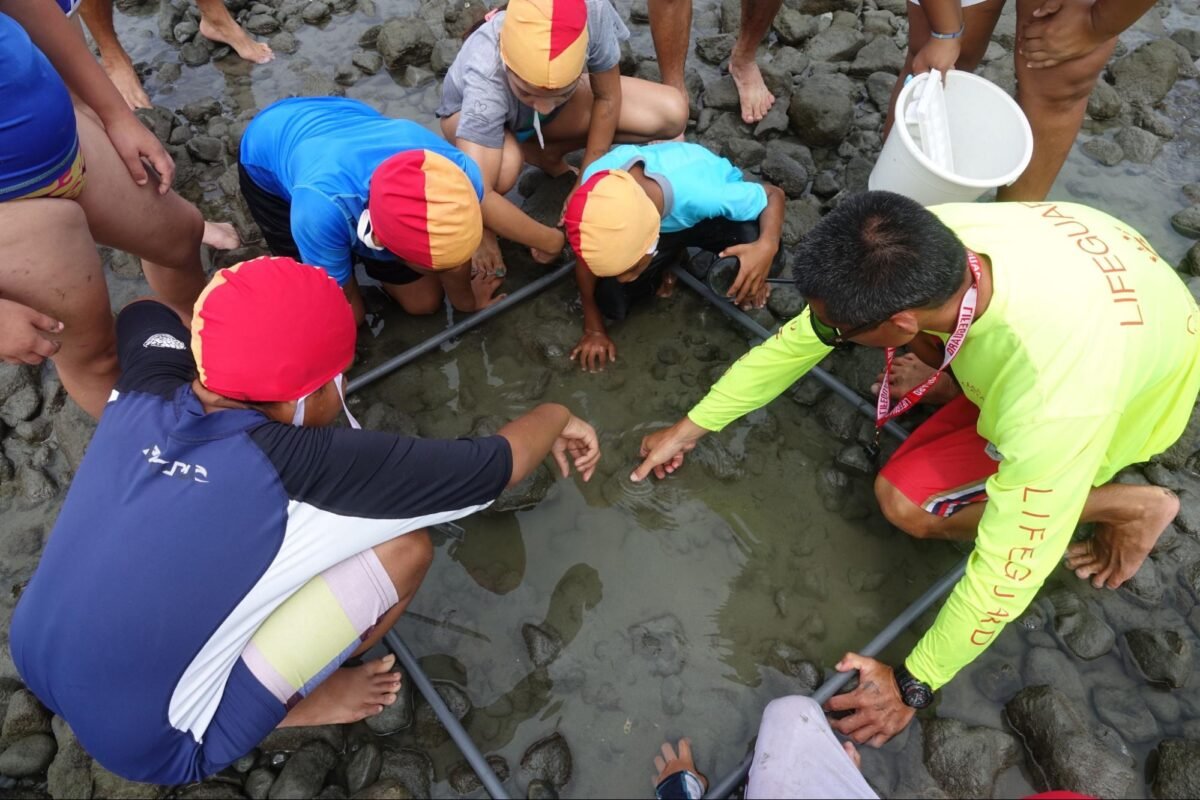
- Participate in citizen science projects — collecting data while experiencing ecosystems first-hand.
- Map out existing conservation projects in the region to learn best practices and avoid duplication.
Outcome
Communities build awareness, recognize the value of their ecosystems, and feel inspired to take ownership of their protection.
02
Connect
Building Local Capacity and Tools
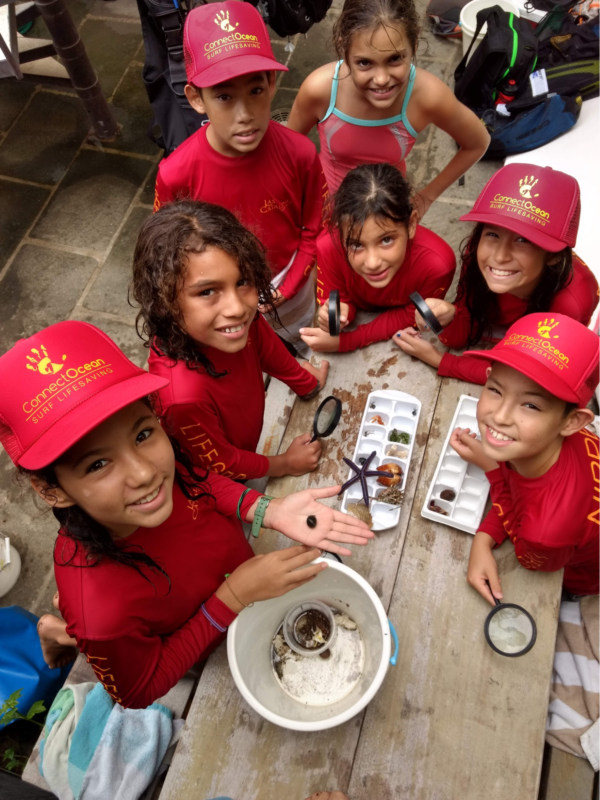
Once awareness is established, communities are equipped with the knowledge and resources to act. ConnectOcean helps to:
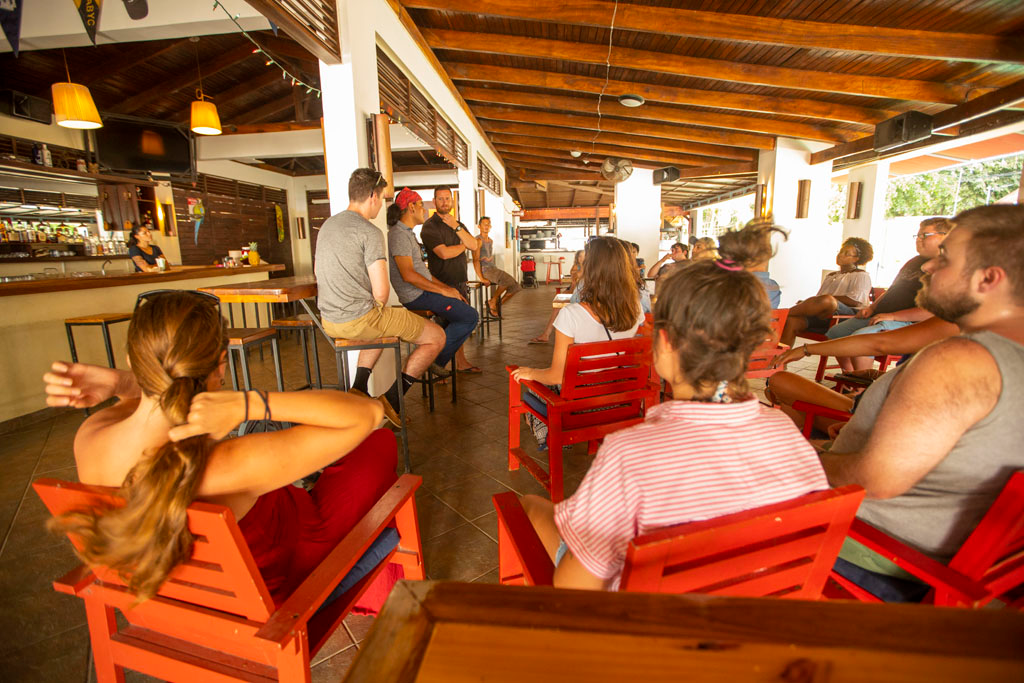
- Form Community Protected Area (CPA) Steering Groups, identifying passionate local leaders and stakeholders.
- Link CPA Groups with Regional Conservation Alliances and Government Stakeholders, creating networks of mutual support.
- Share proven conservation protocols and translate them into practical, step-by-step “how-to” guides.
- Partner with PADI Dive Centers, leveraging their global infrastructure to train communities in ocean conservation techniques.
Outcome
Communities gain the skills, mentorship, and practical tools to lead conservation projects that are both impactful and scalable.
03
Protect
Creating Community Protected Areas (CPAs)
Communities put their knowledge into action by establishing CPAs that safeguard local ecosystems. In this phase, CPA Groups:
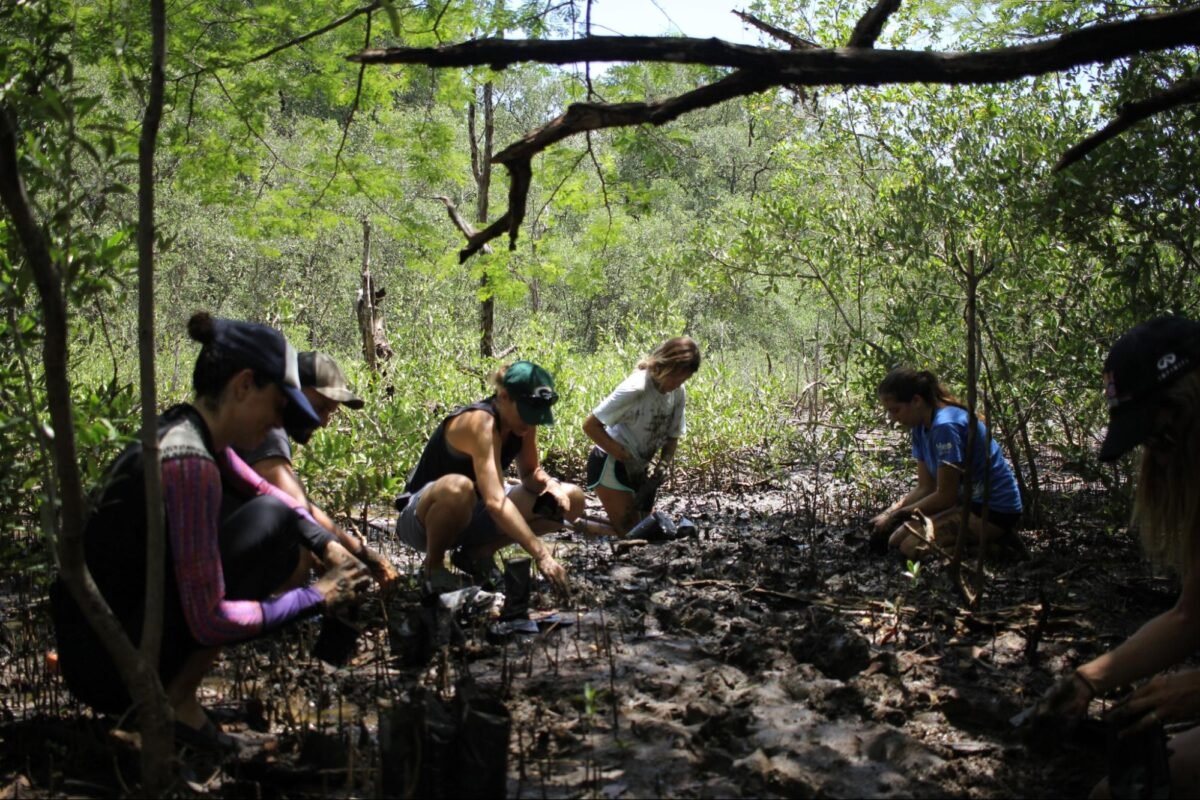
- Formally adopt ecosystems such as watersheds, mangroves, coral reefs, intertidal zones, or habitats of at-risk species like manta rays and sharks.
- Implement conservation strategies based on what they learned in the Discover and Connect phases.
- Continue gathering critical data through ongoing citizen science to feed into regional and global conservation strategies.
- Integrate regenerative tourism where appropriate, creating sustainable economic benefits for the community.
- Link their CPA to a National Framework of Conservation Alliance Partners and Government Stakeholders.
Outcome
Locally managed CPAs are established, owned, and defended by the community — ensuring long-term ecosystem protection and resilience.
Scaling Impact
The Ripple Effect
The Discover → Connect → Protect framework creates a ripple effect:
01
One community learns to value its ecosystems.
02
That community gains the tools to act.
03
A CPA is established and becomes a hub of conservation, education, and sustainable livelihoods.
04
Neighboring communities replicate the model, multiplying the impact.
Together, these CPAs form a global grassroots network of protection that accelerates progress toward the 30×30 goal and contributes directly to the UN Decade of Ocean Science for Sustainable Development.